
Ideal No Compromise
Explore by space
Room-by-room ranges, made to match.
FAQ
Ordering, customisation, lead times and warranty — answered in plain language.
Read all answers →
Blog
Planning guides, material knowledge and the details that decide how a kitchen ages.
Read the blog →
News
New substrates, surface finishes and what changed on the production floor this quarter.
Marine-grade plywood substrates Paint-free laminates & slim glass Delivering custom cabinetry to 72 countriesSee all updates →Still deciding?
Talk to a real personSend a drawing, a photo of the room, or just a rough sketch. A designer replies within one working day.
Ask a designer Request the price list →
Who pays import duties, taxes and customs clearance?
Who pays import duties, taxes and customs clearance?
It depends on one line of your quotation: the Incoterm.
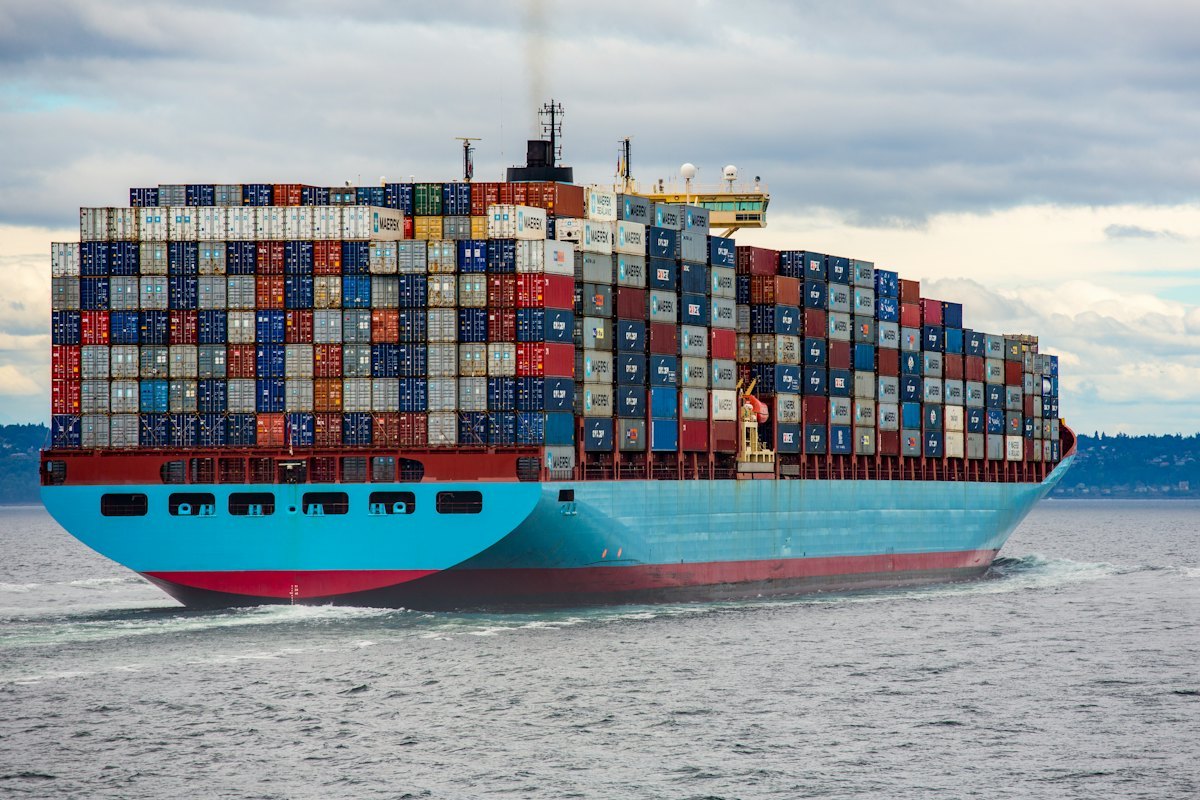
ZoneIdeal ships from Shanghai and Ningbo under FOB, CFR, CIF, EXW, DDU or DDP terms, and the term you choose decides who clears customs and pays duty. Under EXW, FOB, CFR, CIF and DDU the buyer is the importer of record; under DDP ZoneIdeal clears the goods and the duty is already inside the price you pay.
Duty is not a service fee that can be waived or discounted. It is a tax set by your own customs authority, charged on the goods you actually import. What a supplier can control is the Incoterm printed on the quotation, because that one line moves the obligation from one side of the transaction to the other.
What each term puts on your side of the invoice
All six terms are standard Incoterms. The difference that changes your landed cost is who books the freight and who acts as importer of record.
| Term | Freight and insurance | Import duty and clearance |
|---|---|---|
| EXW | Buyer collects from the factory | Buyer |
| FOB Shanghai or Ningbo | Buyer books and pays | Buyer |
| CFR | Seller pays ocean freight | Buyer |
| CIF | Seller pays ocean freight and insurance | Buyer |
| DDU | Seller pays freight and insurance to your address | Buyer |
| DDP | Seller pays freight and insurance | Seller |
In practice that means five of the six terms leave you as the importer of record. Only DDP moves the customs entry, the duty and the destination charges to ZoneIdeal.
How the duty figure is actually calculated
Three inputs decide the number, and all three belong to your jurisdiction rather than to the supplier. First, the HS code your customs broker files for kitchen or wardrobe cabinetry. Second, the dutiable value, which is normally the price paid adjusted for freight and insurance where your customs code requires it. Third, the tariff rate your country applies to that HS code, plus local VAT or GST on top.
This is why we do not print a duty percentage on a quotation. The same container can attract different rates in two countries, and the classification is confirmed at the border, not at the factory. Ask your broker to classify against the drawings and the material schedule before you commit.
If you want one landed number instead
Ask your sales contact for a DDP quotation. Send the destination postcode, whether the delivery address is residential or commercial, and any import registration your company must appear under. Where DDP is available for your destination and product mix, the duty and clearance sit inside the quoted price and the goods arrive at your address.
Keep the vessel schedule in view either way. The shipping window for each country is set out in which countries we ship to and how long shipping takes, and clearance time sits on top of that transit time.
Rule of thumb: if the quotation says EXW, FOB, CFR, CIF or DDU, budget for duty and clearance yourself and brief your broker before the container lands. If it says DDP, the number you were quoted is the number you pay at the door.
Not sure which term your quote used? Send the quotation page and ZoneIdeal will tell you who carries the duty.
Talk to a project consultant
Get started with a Design Consult
Discuss your kitchen , wardrobe, and all cabinetry needsIdeal No Compromise
- Phone
- *Title
- *Content